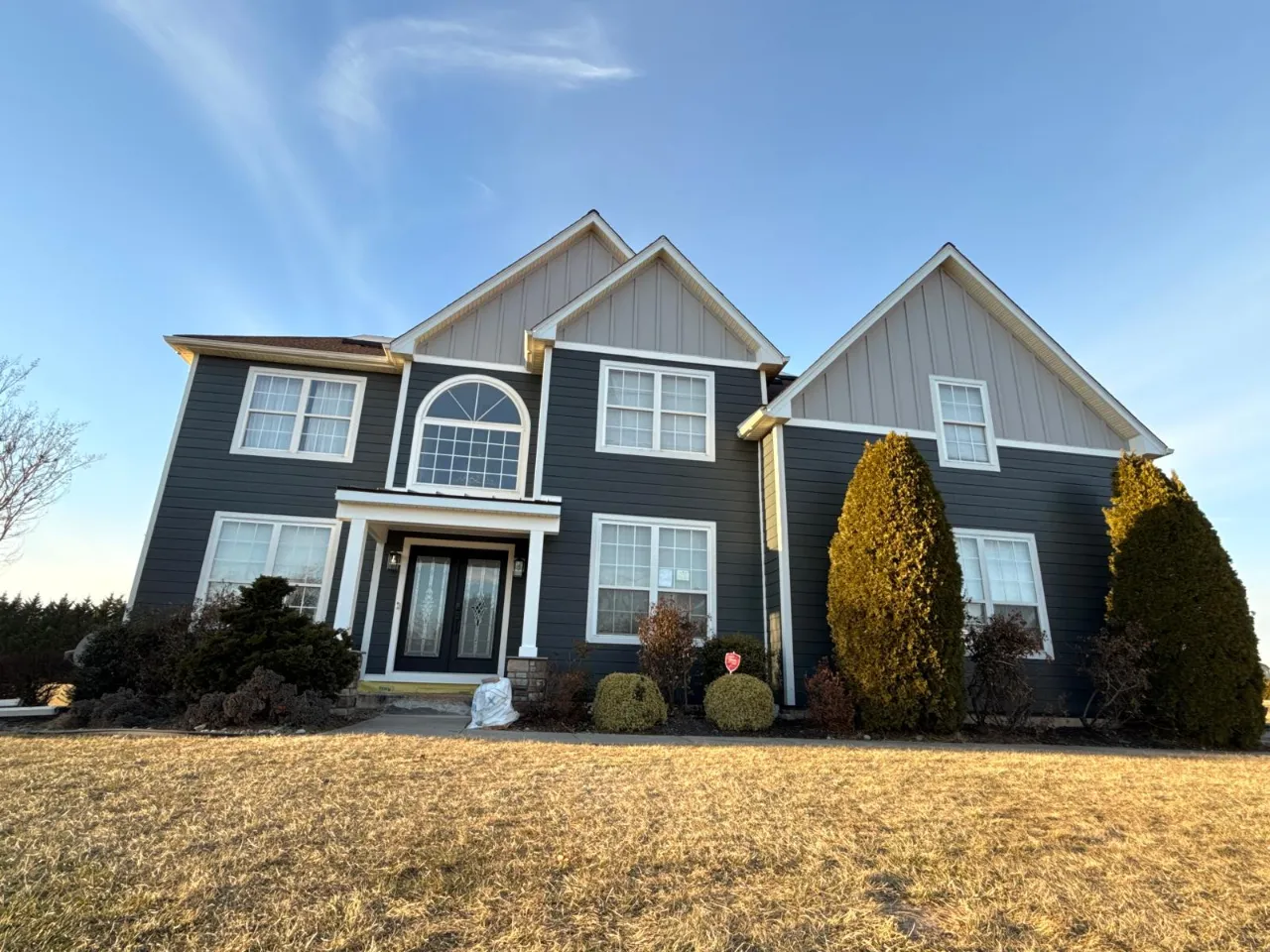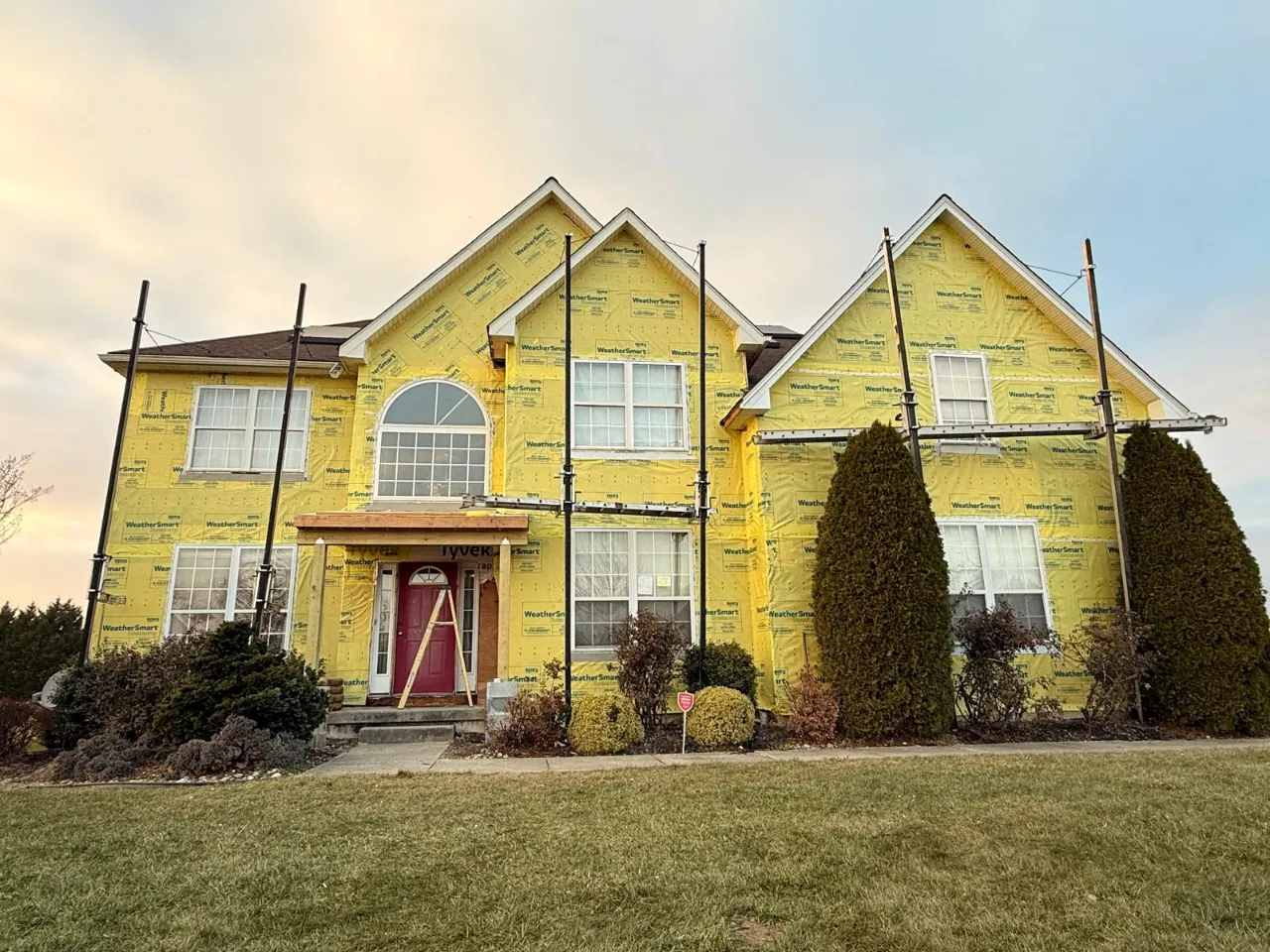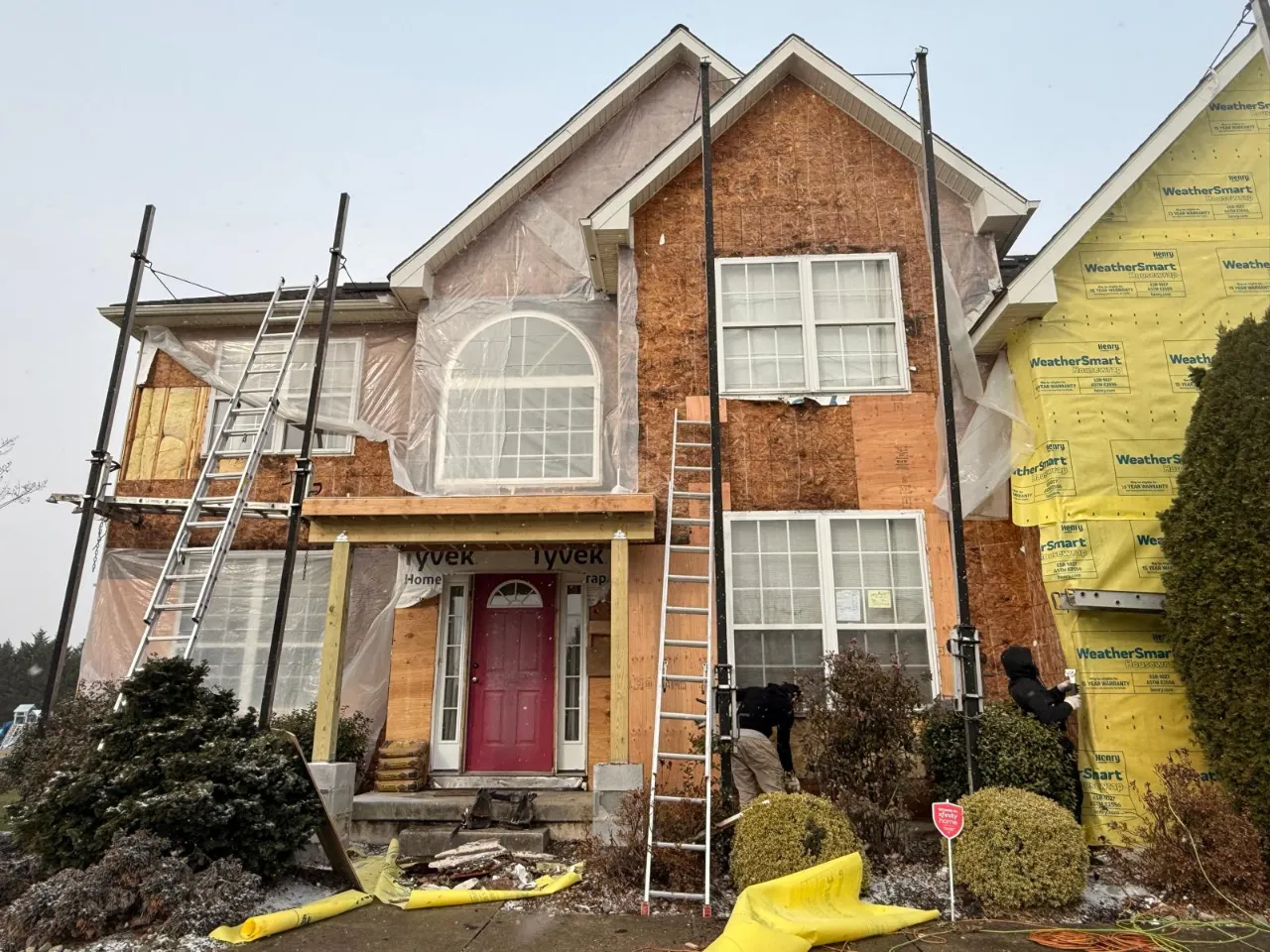
The range you'll see quoted almost everywhere is 20 to 40 years. That's a twenty year spread. It's another way of saying nobody can answer this about your house without looking. Still, the range is useful once you understand what moves you toward one end or the other. Two houses on the same street, sided in the same month with the same product, routinely land a decade apart. The material didn't change. The install did, or the exposure did, or nobody ever rinsed the walls. Pennsylvania adds its own pressure. Freeze and thaw cycles work every gap and summer sun cooks the south wall. The shaded north side stays damp long enough to grow things. This article covers what the range really means and what our climate does to vinyl. It also covers why installation quality outweighs brand. Plus the low effort habits that add years without costing much. None of it is complicated once you know what to look at.
The Honest Range Is Wide
Twenty years is the low end. That usually reflects a budget panel, a rushed install, or brutal exposure. Forty years is the high end. That reflects thicker material, careful installation, and reasonable shade and drainage. Most homes land in the middle. Warranty length is a separate thing and worth reading carefully. Some warranties are described as lifetime, but they're prorated. They cover the material and not the labor to swap it. They can also be voided by an install that ignored the manufacturer instructions. That last clause matters more than the headline number. A long warranty on a bad install is a document, not protection. Ask what the warranty actually pays and who honors it before treating it as a lifespan estimate.
What Pennsylvania Winters Do to Vinyl
Vinyl moves. A panel changes measurably in length between a January night and a July afternoon. That's why panels hang with room to slide instead of nailed down tight. When installation respects that, the wall absorbs the movement and nothing happens. When it doesn't, you get buckling, popped seams, and gaps that let water behind the panel. Freeze and thaw is the real stress test here. Water gets into a small gap, freezes, expands, and makes the gap slightly bigger. Repeat that a few dozen times a winter and a hairline opening becomes a path. Cold also makes vinyl brittle, so winter impacts crack panels that would have flexed in summer. None of this is fatal to a good wall. It's just why gaps get worse rather than staying the same size.
Installation Matters More Than the Brand
If you take one thing from this article, take this. The most common reason vinyl siding fails early has nothing to do with the vinyl. It's nails driven too tight, so panels can't move. It's a missing or torn house wrap, so the wall has no second line of defense. It's flashing skipped at windows, doors, and where the roof meets a wall. That's exactly where water shows up first. It's panels that were not locked fully into the course below them. All of that is invisible from the street on day one and expensive by year eight. This is why a mid range product installed correctly outperforms a premium product installed badly. When you compare quotes, compare what the crew says about house wrap and flashing, not just the panel name.
How to Get More Years Out of Your Siding
Vinyl asks very little, but it isn't zero. Rinse the walls once a year with a garden hose and a soft brush. Work from the bottom up and rinse from the top down. Skip the pressure washer, or keep it on a wide low setting. High pressure drives water behind panels and causes the damage you're preventing. Cut back shrubs and branches so they aren't rubbing the wall or holding moisture against it. Keep the gutters clear, because overflowing gutters pour water down the siding all winter. Walk the walls each spring and look at the seams, corners, and the areas under the windows. Catching one loose panel in April is a ten minute fix. Finding it in October, after a wet summer, is not.